Fifty Fathom Watches Every Rake Reader Should Know
A dive watch with elegance, heritage and performance that you should consider.

In the pantheon of diving watches, few pieces command the reverence reserved for the Blancpain Fifty Fathoms. Born in 1953 out of a collaboration between Blancpain's then-CEO Jean-Jacques Fiechter and French Navy combat divers, the Fifty Fathoms didn't merely enter the horological stage—it revolutionised it entirely. This was the world's first modern diving watch, a piece that would define the very DNA of underwater timekeeping for generations to come.
The genesis story reads like a thriller: Fiechter, himself an accomplished diver, recognised that existing waterproof watches were woefully inadequate for serious underwater exploration. Working with Captain Bob Maloubier and Lieutenant Claude Riffaud of the French Navy's elite diving unit, he created a timepiece that could withstand the crushing depths of 91.45 metres—fifty fathoms in nautical parlance. The result was a watch that married Swiss precision with battlefield practicality, featuring a revolutionary rotating bezel, luminous markers, and an automatic movement sealed within a robust case.
What distinguished the Fifty Fathoms from its contemporaries wasn't merely its water resistance, but its holistic approach to dive timing. The unidirectional rotating bezel, marked with a distinctive triangle at 12 o'clock, became the template for every serious diving watch that followed. The dial's stark legibility, achieved through generous applications of radium (later tritium), ensured perfect readability in the ocean's depths. Technically, the watch represented a quantum leap: the automatic movement eliminated the need for crown manipulation underwater, whilst the robust case construction protected the delicate mechanism from pressure and shock.
The design philosophy was both elegantly simple and profoundly sophisticated. The case, typically measuring 42mm in diameter, struck the perfect balance between presence and wearability. The dial layout, with its distinctive hour markers and broad hands, became the archetype for diving watch aesthetics. Every element served a purpose, from the crown's robust construction to the bezel's tactile grip, demonstrating functionality and beauty in perfect harmony.
Here are three of my all-time favourites.
The Enigmatic "Double Swiss" MIL-SPEC 1
In the rarified air of haute horology auctions, the Fifty Fathoms MIL-SPEC 1, with its mysterious "Double Swiss" dial configuration, stands out. This particular example, which graced the Phillips podium in November 2017, represents one of the most intriguing anomalies in vintage diving watch collecting.
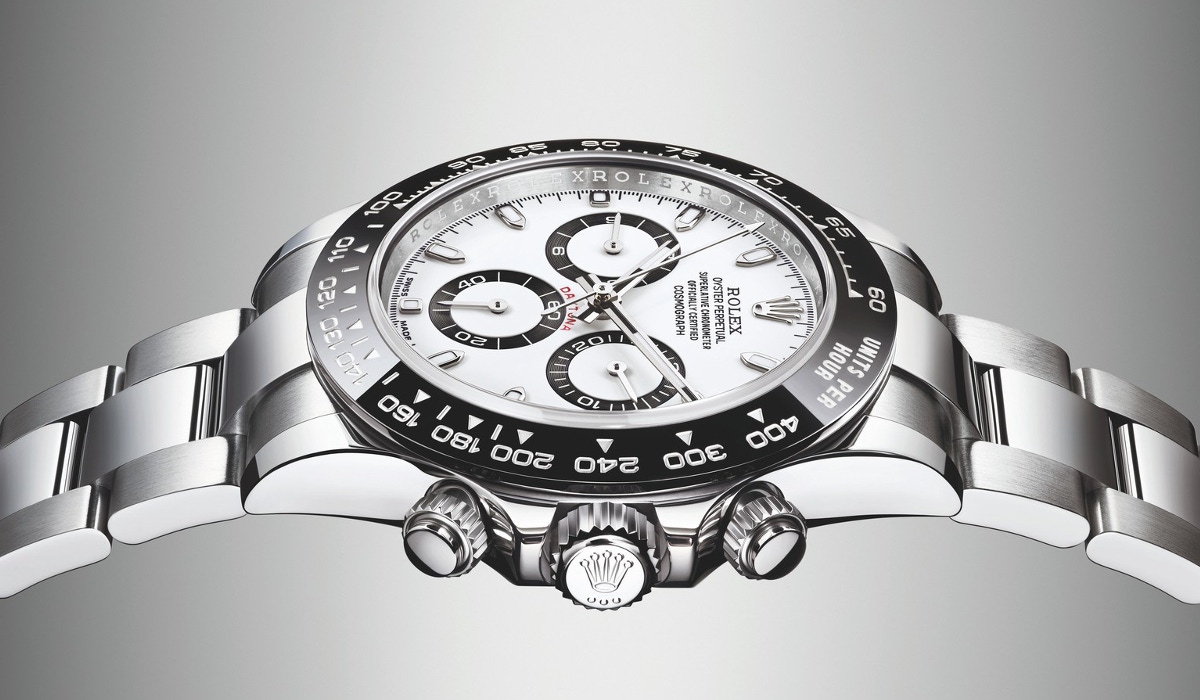
Similar to Rolex's famous "Double Swiss Underline" found on certain Daytona references, this Blancpain bears dual Swiss signatures at six o'clock; a manufacturing quirk born of necessity rather than design. Research suggests that the original bezel obscured the first Swiss marking, compelling Blancpain to add a second signature to ensure compliance with American import regulations.
What elevates this piece beyond mere curiosity is its absolute uniqueness. According to Phillips' research department, this remains the only MIL-SPEC 1 with this specific dial configuration ever to appear at public auction; a claim that sent collectors into a frenzy and underscored the watch's position as a true unicorn.
The watch's provenance adds another layer of gravitas. Selected for display at Blancpain's 275th Anniversary exhibition, it is now a museum-quality artifact that the manufacturer themselves deemed worthy of preserving in horological history.

The Prototype That Never Was: The U.S. Navy MIL-SPEC 1
Some of the most compelling stories in watchmaking are those of roads not taken, and the Blancpain U.S. Navy prototype represents one of the most fascinating "what if" scenarios in military timepiece history. When this extraordinary piece surfaced at Phillips in 2015, it offered collectors a glimpse into an alternate timeline where Blancpain might have become the official timekeeper of American naval forces.
The watch's bronze-tinted antimagnetic case immediately signals its experimental nature. This greenish-hued alloy, often mistaken for bronze by casual observers, was Blancpain's ambitious attempt to create the ultimate military diving instrument—one that could withstand the magnetic fields encountered during mine disposal operations, which was a critical concern for combat divers in the 1950s and 60s.
The rarity factor here borders on the astronomical. Only three examples are known to exist, each bearing serial numbers in the coveted 3,200 sequence. These watches represent Blancpain's pitch to the U.S. Navy for what could have been a substantial military contract. When that contract failed to materialise, these prototypes became some of the rarest military timepieces ever created.
The humidity indicator at six o'clock serves as a constant reminder of the watch's intended purpose; not boardroom meetings or cocktail parties, but the unforgiving environment beneath the ocean's surface, where a single mechanical failure could mean the difference between life and death.

The Crown Jewel: The 275th Anniversary Exhibition Aqua Lung
While military pieces often capture headlines, civilian variants of the Fifty Fathoms possess their own compelling narratives. The Aqua Lung-retailed example that appeared at Phillips in November 2021 represents the pinnacle of what collectors seek: provenance, rarity, and the ultimate seal of approval from the manufacturer itself.
This watch's journey, from retail counter to museum exhibition to auction podium, illustrates the evolving appreciation for vintage diving watches. Originally sold through Aqua Lung—the diving equipment company that helped bring the Fifty Fathoms to American shores—this example bears the distinctive dual-line dial configuration that sets it apart from standard 1000-foot depth rating models.
The addition of "Rotomatic" and "Incabloc" text creates what Phillips described as "smooth balance and tremendous harmony" on the dial, a detail that speaks to collectors who understand that, with vintage watches, the smallest variations often command the highest premiums.

As these three exceptional examples have proven, when history meets horology at the auction podium, the results can be as profound as the depths these watches were designed to plumb.