Heady Stuff
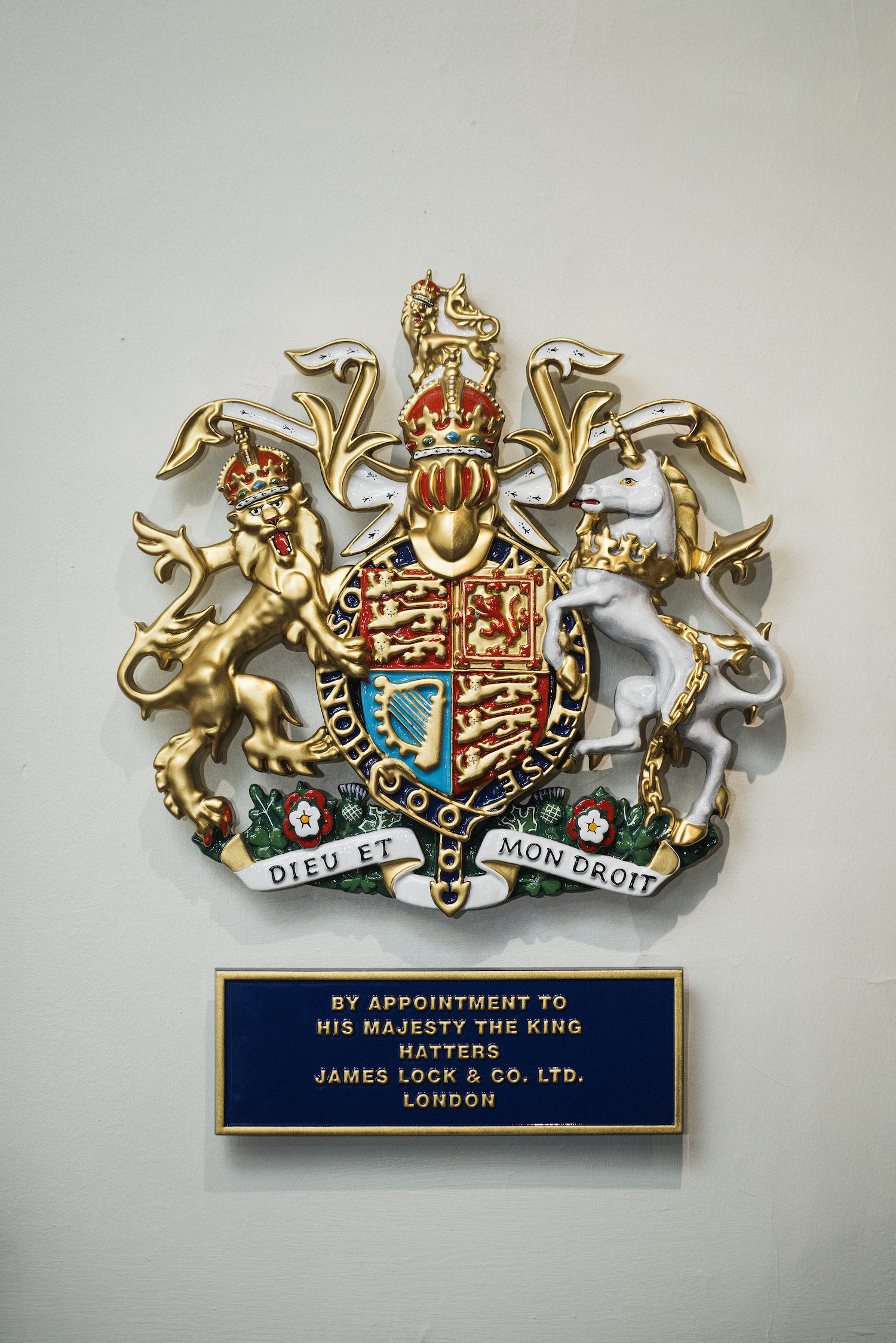
Lord Nelson, Oscar Wilde, Winston Churchill, Jackie Kennedy... At Lock & Co., hatters to many eminent figures over the past 350 years, the weight of history is felt keenly and worn lightly.

There is a shop on St James’s Street in London’s Mayfair that has not moved since 1765. Not just the building — the Blitz got close — but the occupants. Lock & Co. Hatters moved in having established themselves in 1676, and this year they mark their 350th anniversary. The United States of America, for context, is celebrating only 250 years of existence. Make of that what you will.
The story begins in earnest in 1676, when a hatter named Robert Davis established a shop on the same street. The hats of the moment were tricorns, worn with the justacorps coats of the Restoration period — nothing resembling the toppers and derbies we now associate with English tailoring. It was Davis’s son-in-law James Lock who moved the business to No.6 and gave it his name, and it was Lock’s successors who built it into something rather more than a shop.
Worth noting: England at the time was not the world’s hat- making capital. The word ‘milliner’ derives from Milan, then the centre of the trade. Lock & Co. would play a significant part in shifting that centre of gravity northwards.
By 1800 Lord Nelson was among their clientele. His famous bicorn — the hat worn athwart the head to avoid confusion with lower-ranking officers’ fore-and-aft bicorns — was made here. The top hat had by now displaced the tricorn, becoming the badge of authority across industry, politics and court. Britain in its early 19th-century pomp set the standard for how a man should dress, and Lock was where that standard was set in felt and beaver fur.
Then came the bowler. In 1849, Edward Coke — younger brother to the second Earl of Leicester — arrived at the shop with a specific problem. The gamekeepers on the Holkham Hall estate were losing their top hats to low-hanging branches during shooting days. He needed something lower, harder and more tenacious. Lock commissioned the Bowler brothers — Thomas and William, hatmakers of Southwark — to produce a prototype. Coke reportedly tested the result by stamping on it twice. It held. That hat, which we know as the bowler, has always been called the Coke by Lock & Co., and it still is.
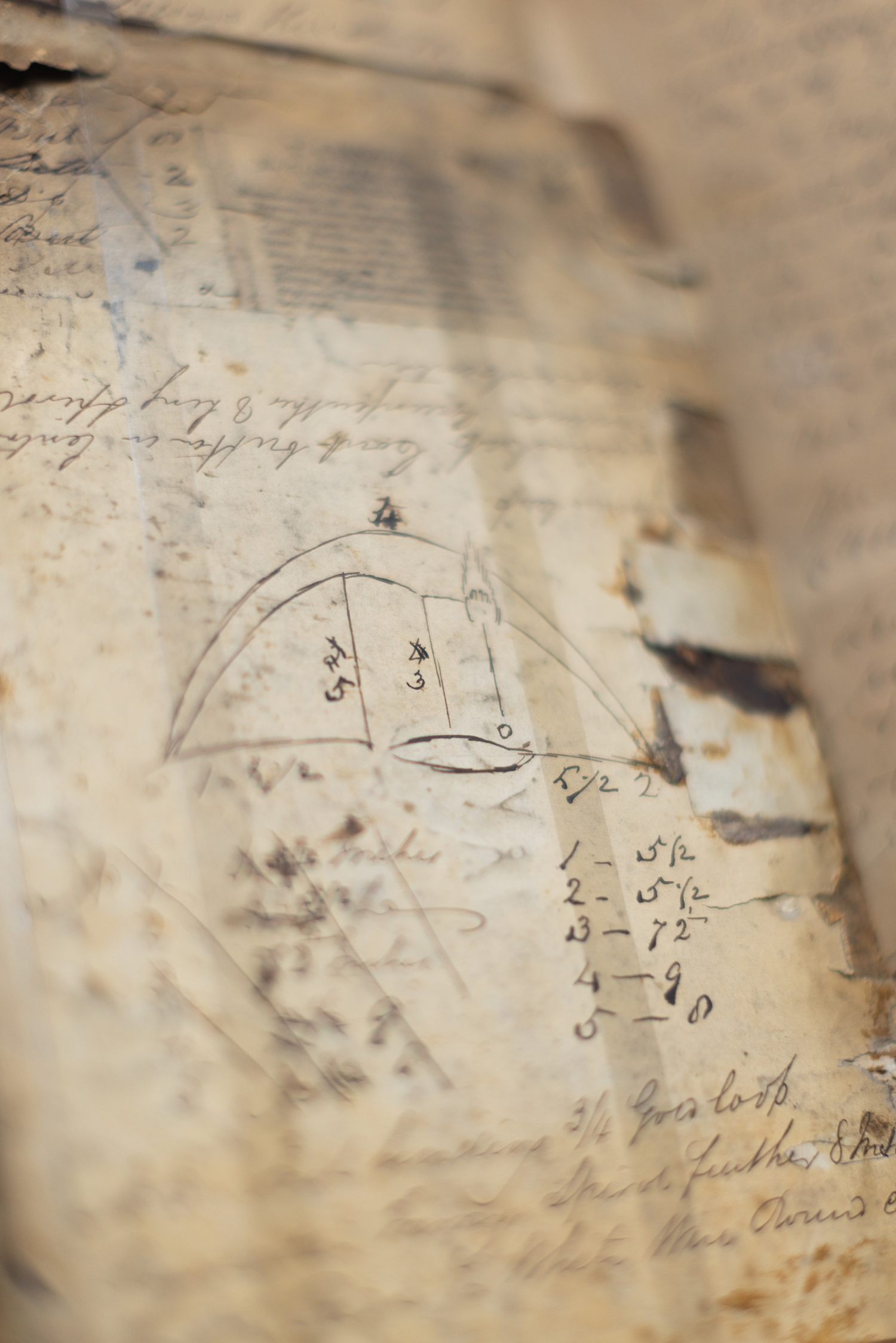
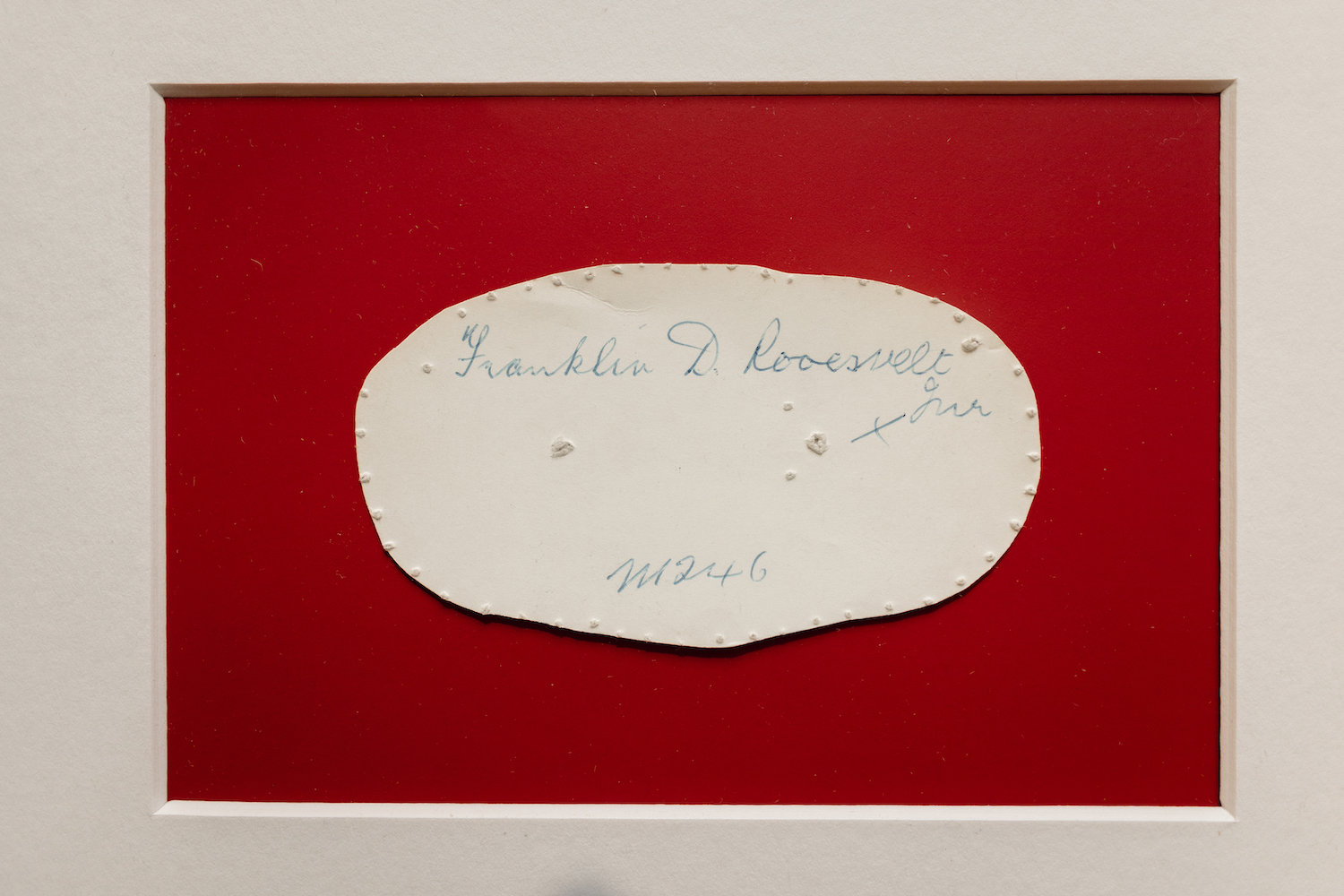
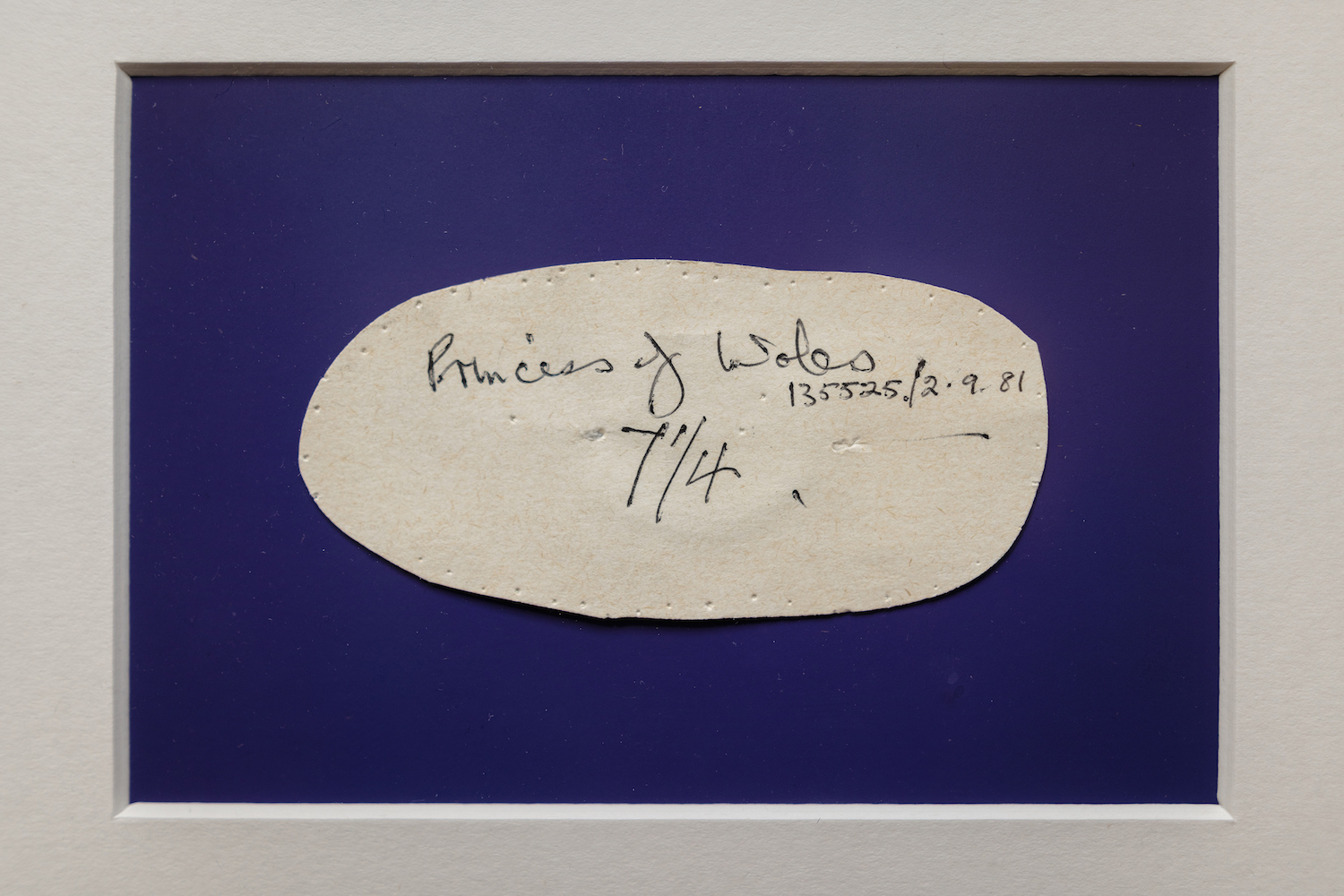
Go in today and you will be measured by a conformateur — a hinged mechanical contraption adopted by the shop in 1852 and used without alteration since — that maps the circumference of your head onto a small paper template. That template guides the shaping of the brim.
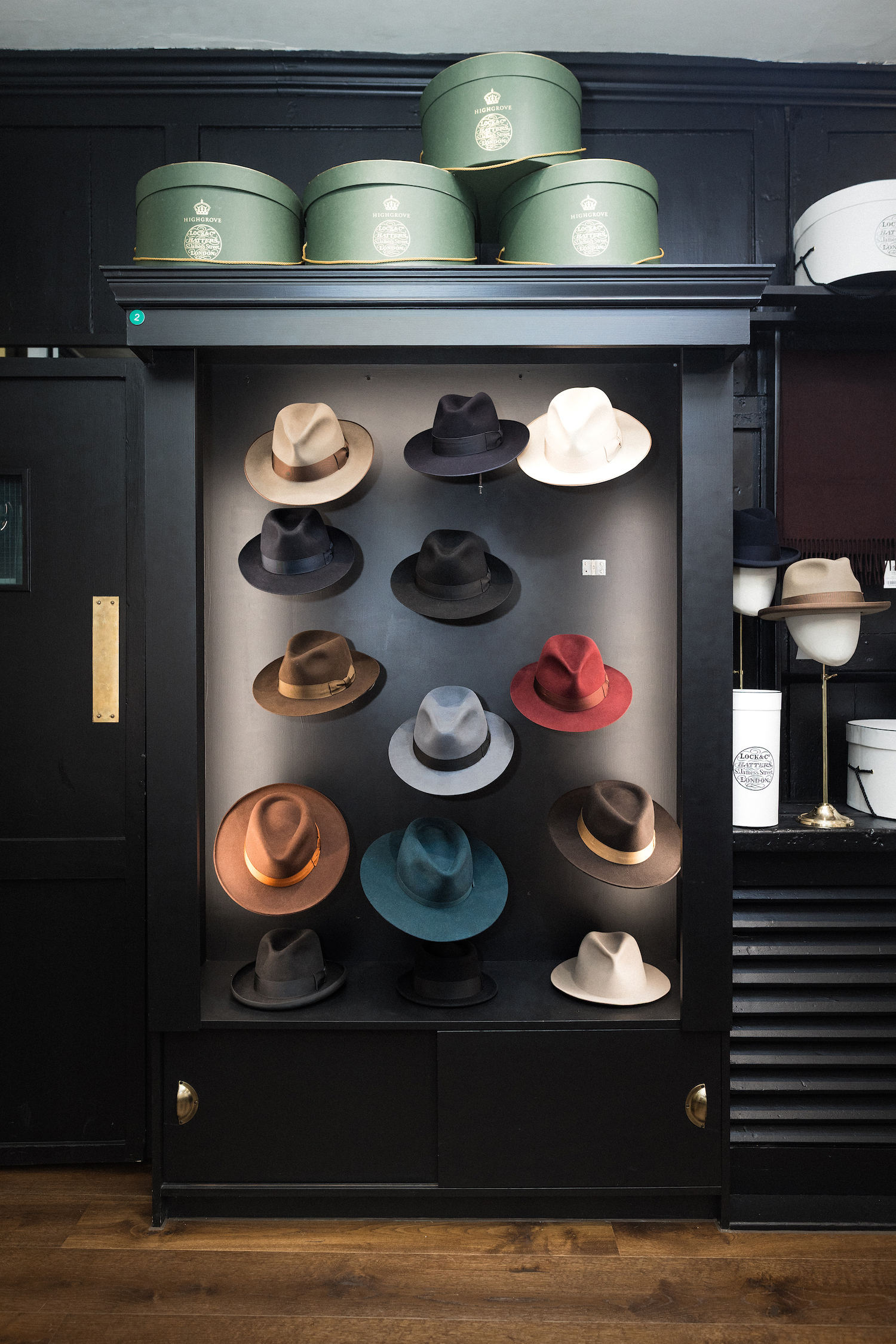
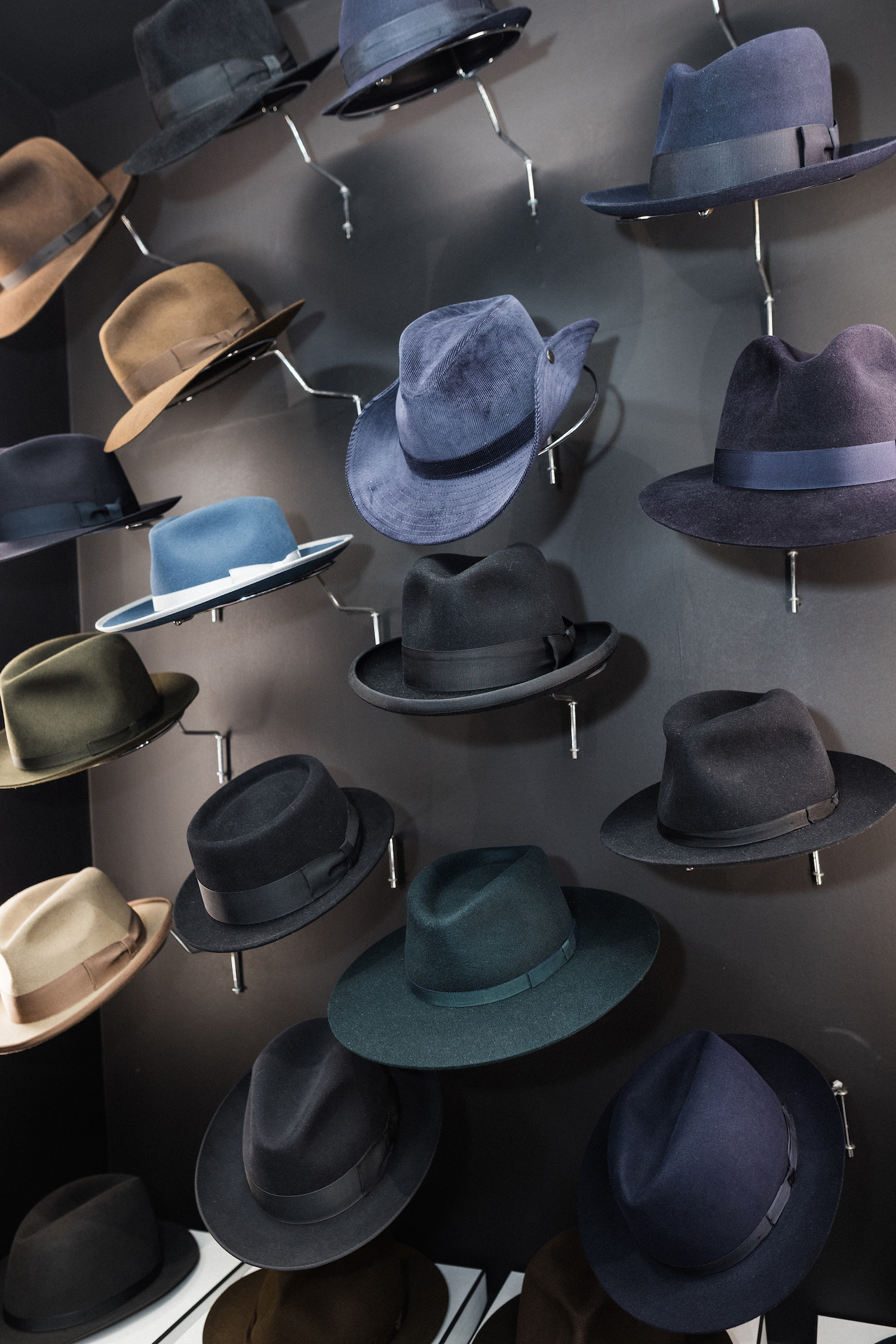
Britain set the standard for men’s dress, and Lock was where that standard was set in felt and beaver fur.
It is in the fitting room where the weight of history becomes fully apparent.
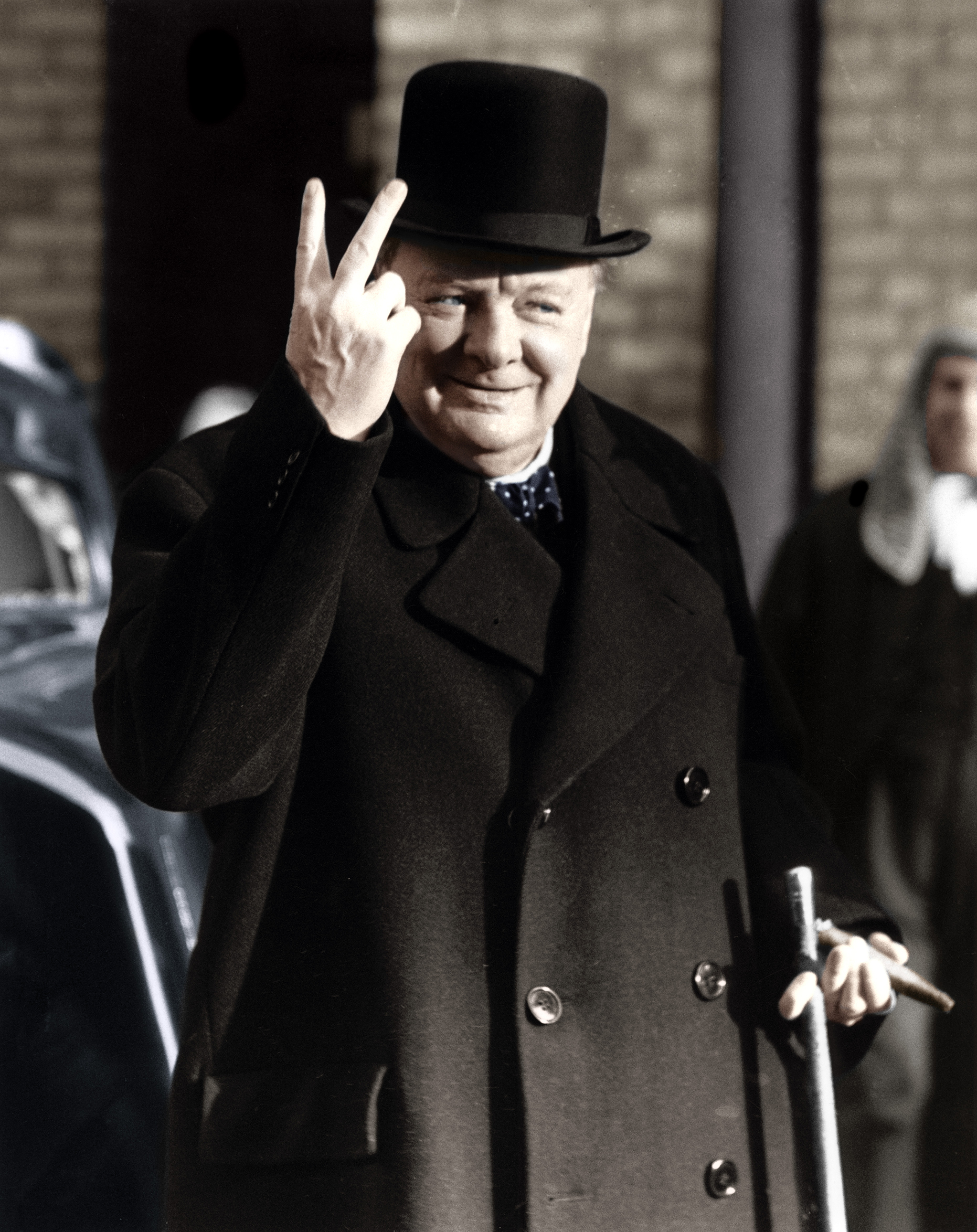
The wall contains a record of others who have stood where you are standing: Nelson, Oscar Wilde, Winston Churchill (who wore a silk plush top hat on his wedding day), Charlie Chaplin, Jackie Kennedy, Douglas Fairbanks Jr. The shop has appeared in the Bond films and in Kingsman, a detail that would have baffled and delighted its Victorian clientele in equal measure.
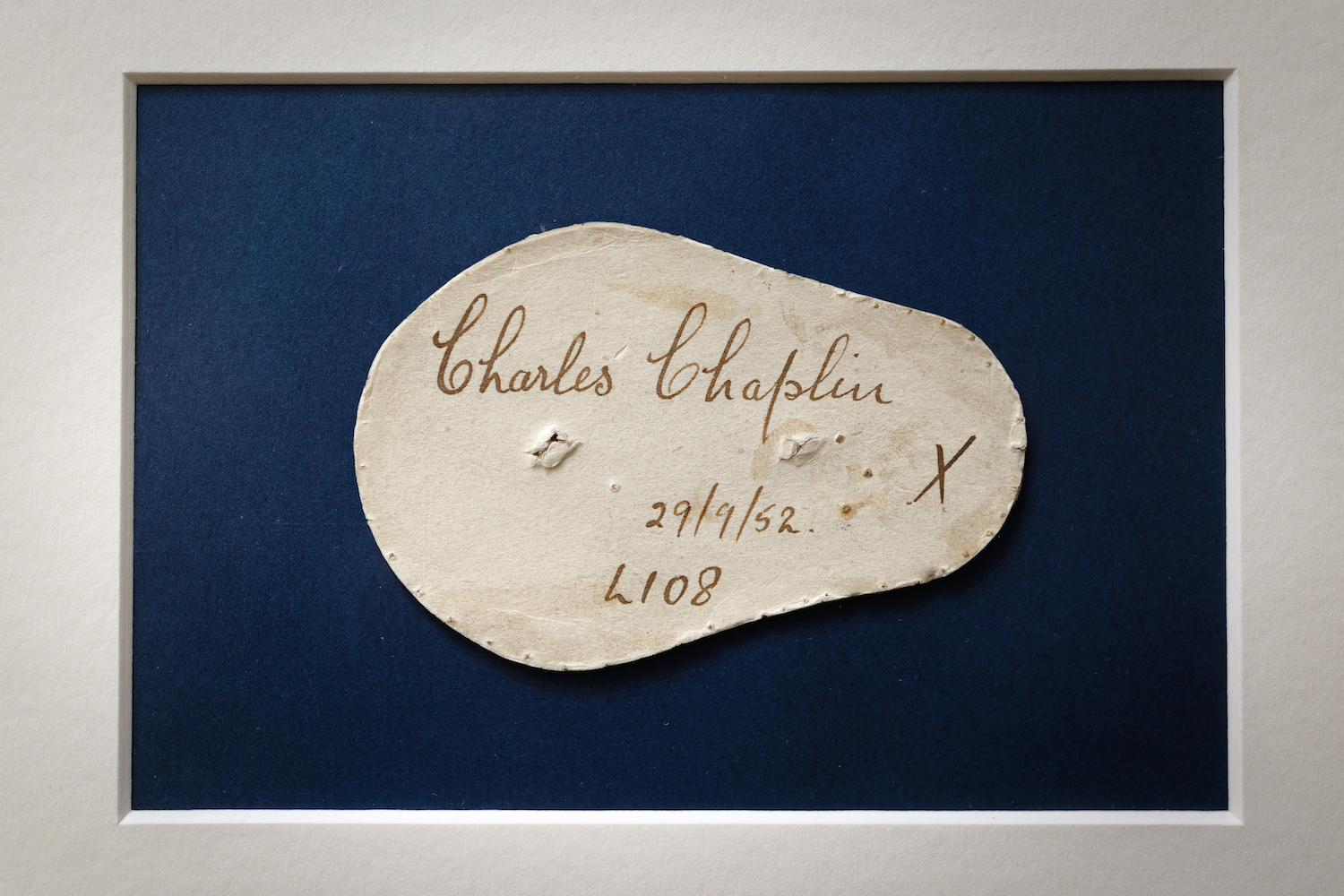
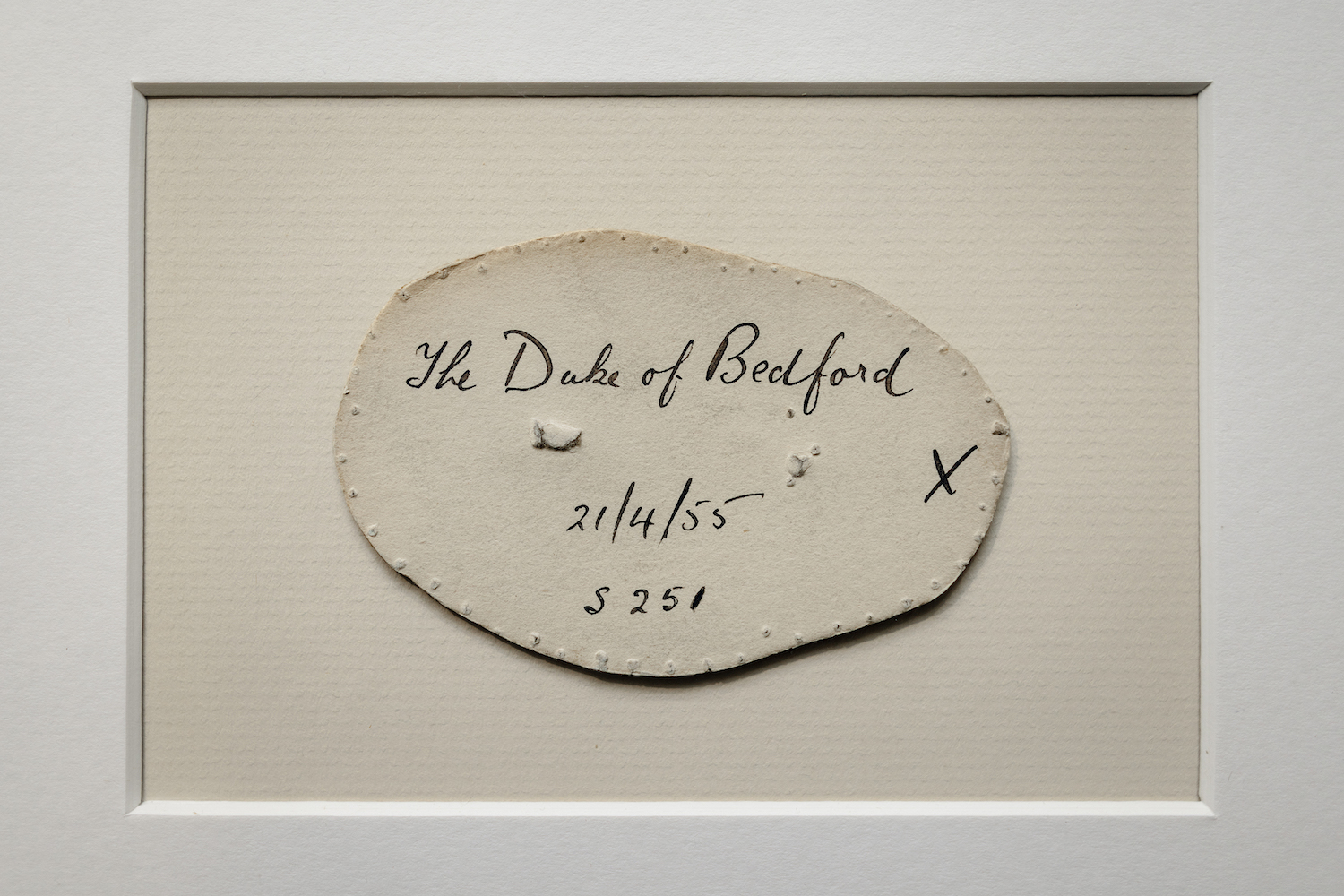
Three hundred and fifty years is long enough to outlast most things — fashions, dynasties, the very idea of hat wearing as social obligation. Lock & Co. endure not because of nostalgia but an insistence that the made-to-measure hat remains a serious object: a record of your head, fitted to your life, built to last. It is this staying power that makes them the consummate British brand, commanding the future by being an expression of the past.