Heat and Be Merry
There is artistry in great barbecuing — and community, too. In short, it is another route to good living, and THE RAKE wanted a taste. This is what we learned...

There are few things that sit more readily in an Englishman’s sense of nostalgia than a barbecue on one of our rare perfect summer days. The scent of smouldering charcoal, sausages and burgers splitting at the seams, and charred corn. The above is, however, evidence of the mistake we have been making for a long time. To the British, barbecue is a menu, not a method, and for many of us the aforementioned items are basically all we’re aware of.
A few years ago I watched an excellent episode of Chef ’s Table with Francis Mallmann. Now, as someone who makes observations (sometimes correctly) about style, one could be forgiven for being distracted by the subtle perfection of this man’s dress sense: he is, as far as I am concerned, the best-dressed man in the world. But his method of cooking was, to the garden griller, revolutionary. He was a man in full and fearless control of fire in order to cook meat, vegetables and even fruit.
I was hooked. I wanted to master heat in the same manner, and I found my way into it via our colonial cousins, the Americans. If Mallmann is a priest in exile on his island in Patagonia, America is the religion's movement writ large. Barbecue is culture, barbecue is friendship, barbecue is community. Barbecue is, like any cigar or wine, a vessel towards good living, delivering pleasure and joy in food that is privately contemplative but best enjoyed in good company.
Below are the major categories of outdoor cooking. We have collated our tips to help you improve your barbecue.
This is what the pitmasters in America use, often to the point, as with Aaron Franklin, that they will have their eponymous version. It looks like a locomotive, with a cylindrical chamber in the middle flanked by a chimney and a firebox at the other end. The idea is that you create smoke and heat at one end and the other draws it through and releases it, with the meat getting hit in between. This is the zenith of low-and-slow barbecue, though for home cooking it is the most impractical, as these are vast pieces of kit.
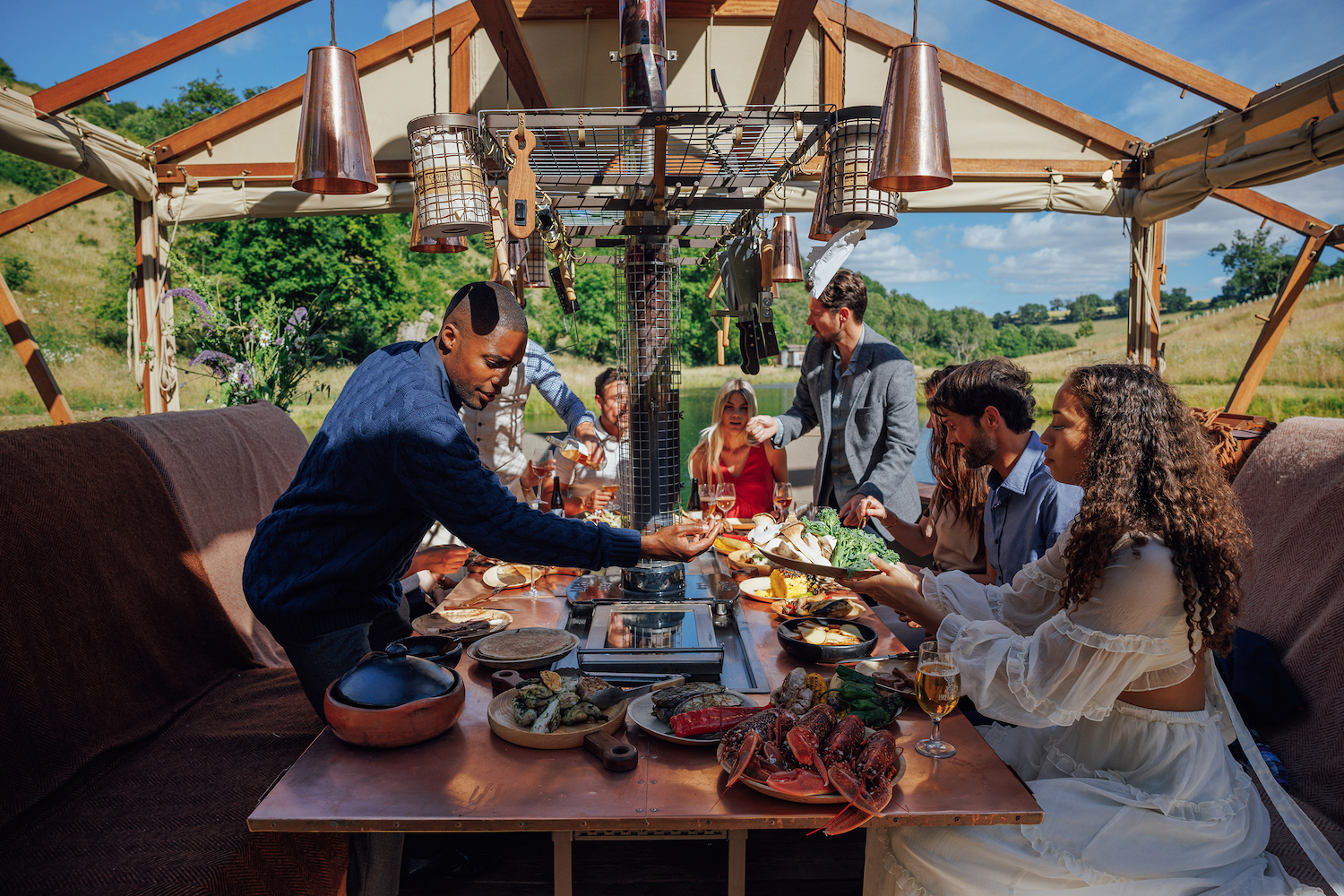
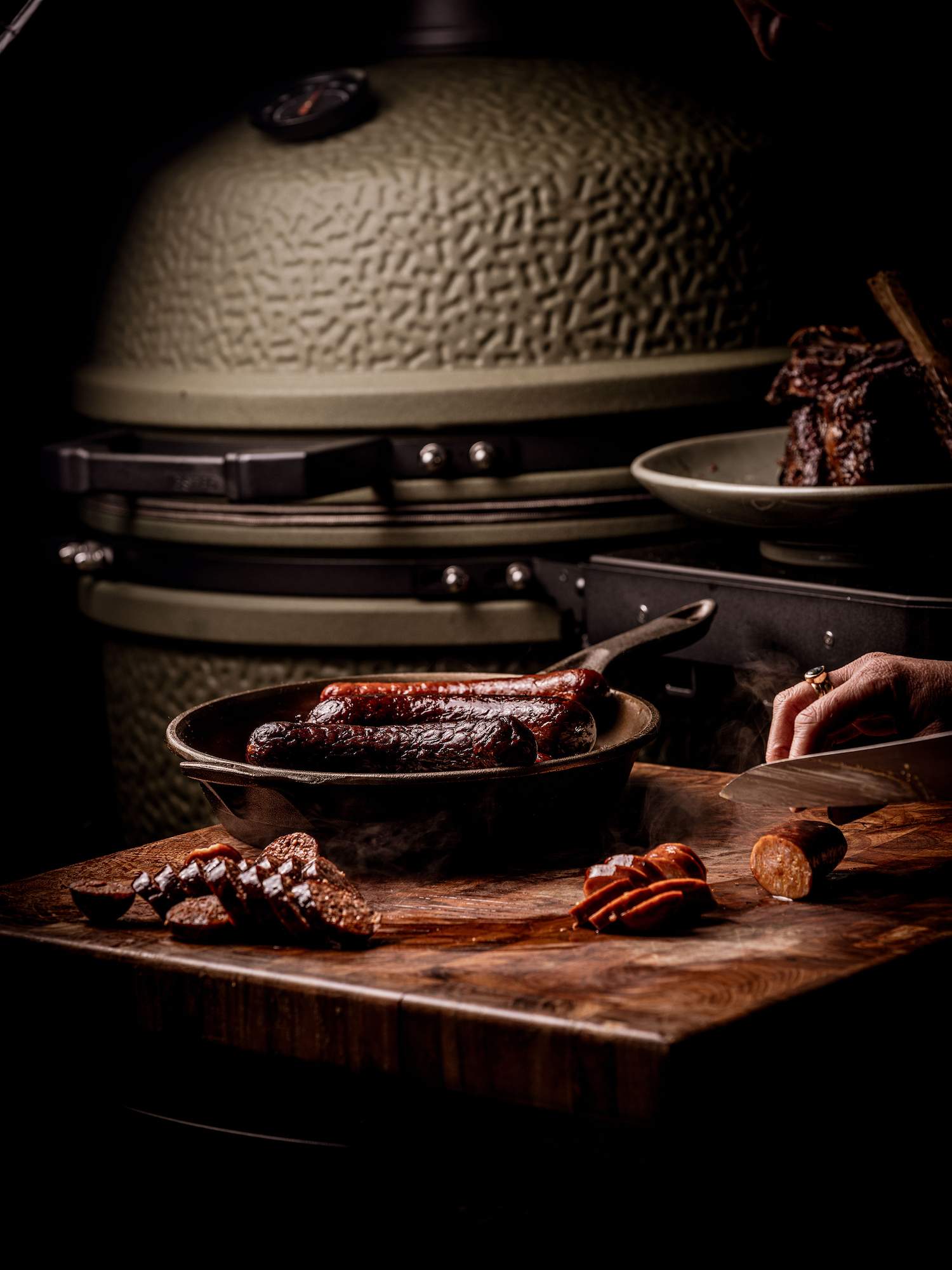
Kamados are perhaps the most feared outdoor cooking implement. They look complex, they seem volatile, and they use materials outside of the charcoal and metal that most people are used to. Getting one up to heat can be complicated, and it takes some getting used to. James Doyan, who is Head of Fire at House of Charcoal, BSTRD and Ofy, says: “There are multiple elements that really make the BSTRD stand out. Visually, it is a wonderful-looking kamado, and the multiple colour options give the customer a bit of choice. Also, it is a beautifully put-together piece of equipment. Every aspect has been scrutinised to, yes, get the best looking but practically ensure the ceramics are efficient and that there is ease of use for both seasoned and novice barbecuers.”
I used lump charcoal from Norfolk Charcoal. Remember that 90 per cent of charcoal used in the U.K. comes from places such as Vietnam, where mangroves are cut down and chemicals are added. These will go into your food, so British charcoal — even for our dear friends reading in America — is worth getting. Our ancient forests are the greatest source of charcoal on the planet at the moment. Even previously discarded trees with ash dieback work wonders when turned to charcoal.
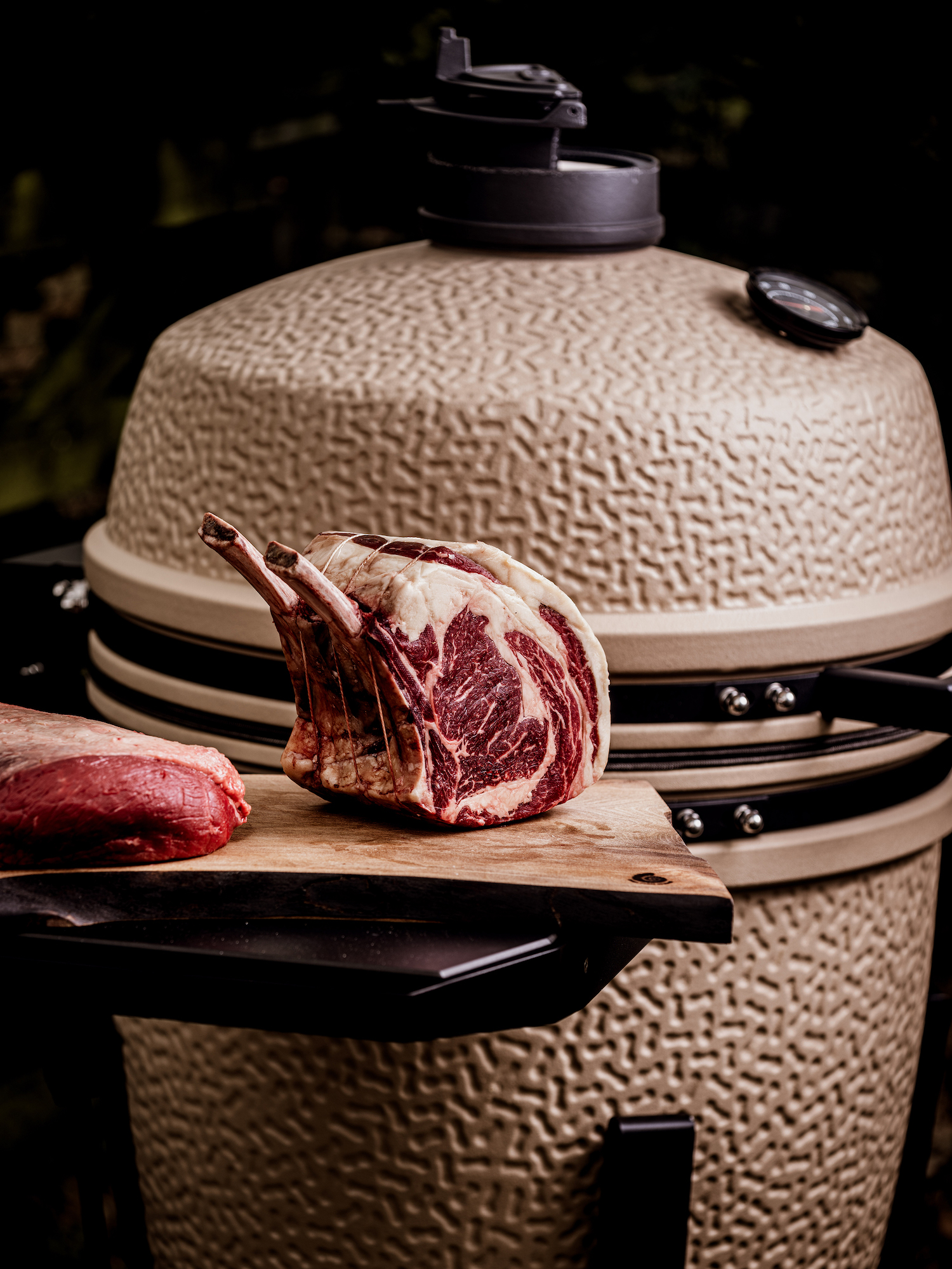
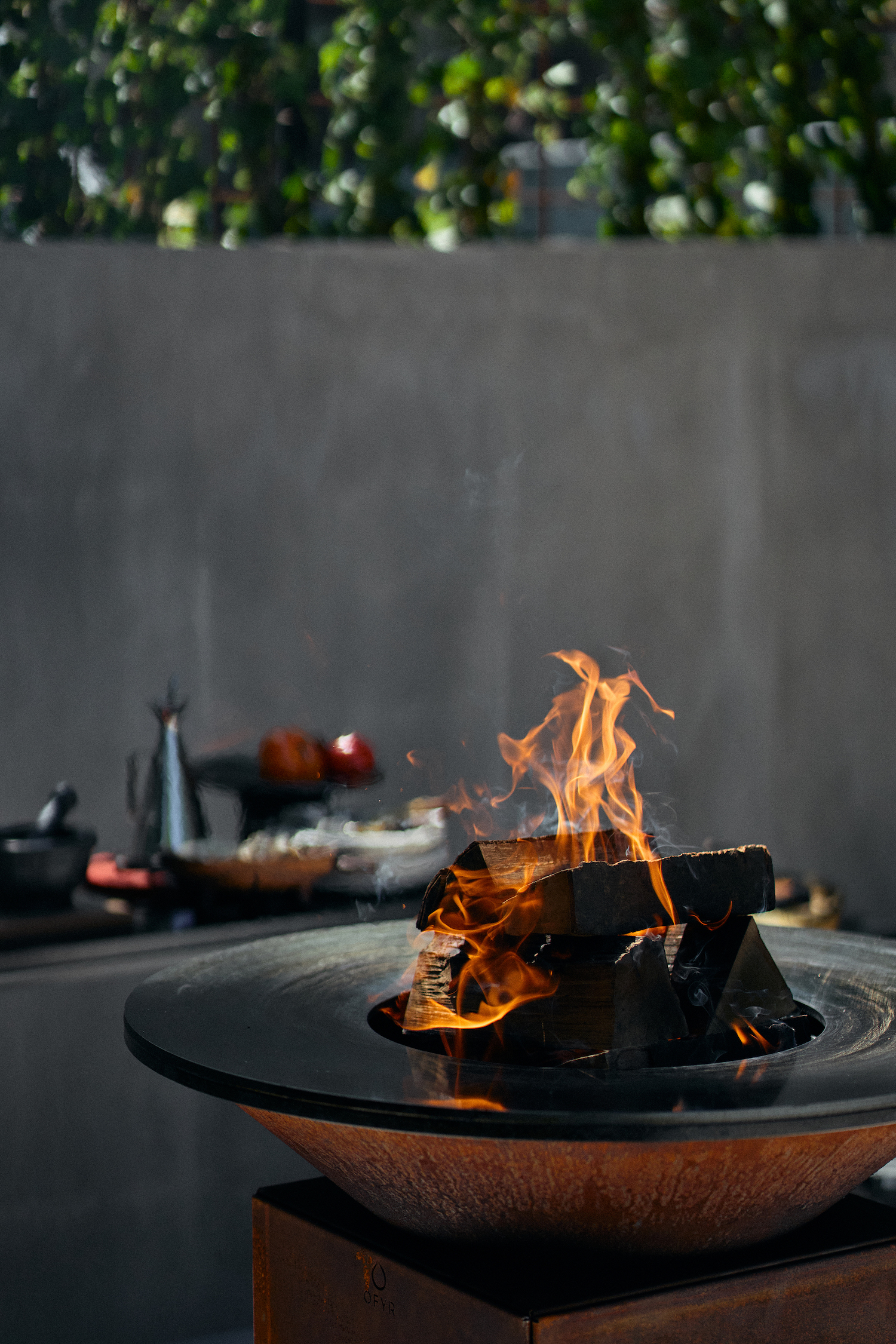
This is as close to being Francis Mallmann as you can get. The Ofyr is, by a long way, the best-looking outdoor cooking apparatus on the market. Nothing can beat the beautiful design and the romantic style of cooking.
The concept is simple. In the central aperture, you place wood. Doyan recommends “birch and beech, maybe even hornbeam. The key is to get wood that burns well but won’t produce an awful lot of smoke. Oak, for example, may be great for an offset barbecue, [but] is a bit smoky, so wouldn’t be my recommendation for the Ofyr.” The fire heats up the surrounding bezel of metal, which is your 360-degree plancha, and that is where you can cook your meats and vegetables.
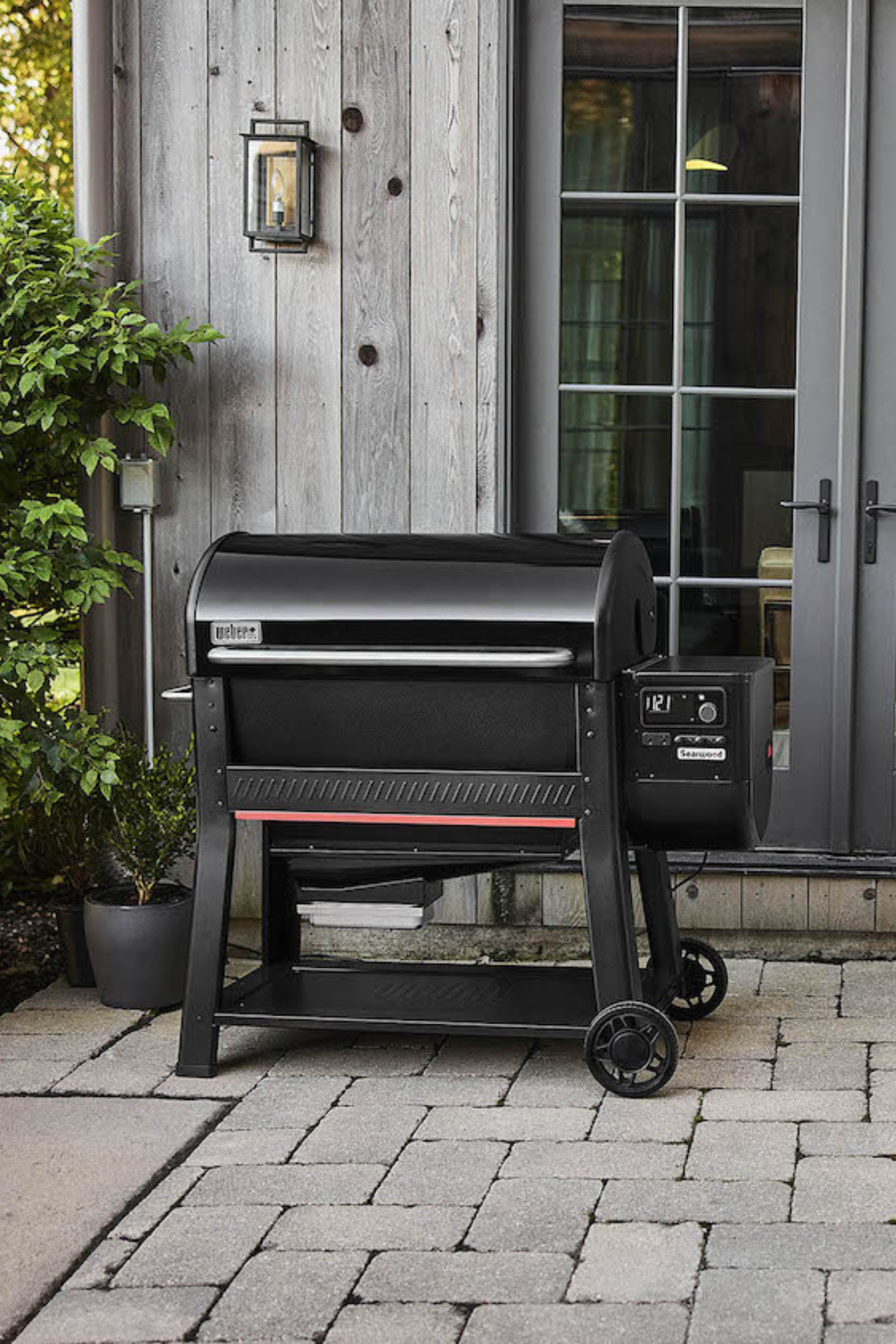
Pellet smoker (Weber Searwood XL 600)
Purists argue that pellet smokers take away some of the artistry of barbecue because they are electrically powered. However, I would strongly recommend the Weber Searwood 600XL for people who don’t want to barbecue with gas but are looking to be able to set and forget.
You can leave it set to 120°C or more than 300°C, making it useful if you want to do grilling as well as low and slow but you have to work and can’t keep too much of an eye on temperature fluctuations. With the XL you can feed a vast number of people. The two racks can take multiple ribs, brisket, whatever you want to cook, and they get even heat and smoke distribution because of a clever triangular channel that runs underneath the system. Small portholes allow for predictable cooking.
The Searwood does two philosophical things: it reframes how people see Weber, which has been regarded as an entry level, kettle-grill brand, which it is not; and it provides an alternative solution to the section of the market that has always used gas. Yes, a curse on their houses, but this is their route home to barbecue nirvana.
Guy Ritchie’s WildTable at The Cashmere Caveman Co.
Ritchie is a man we all admire here at The Rake. He is a warrior for classic style who always does wonderful things on screen, but he doesn’t stop there: for example, he has created this amazing dining table — called WildTable — that is essentially a barbecue as well as a place to eat. In a service à la française, all the food goes in the middle and you prepare it on the integrated cooking stations. A film director chum is moving from Holland Park to Richmond, and when I asked what would become of his WildTable, he said: “Literally everything else can stay — I don’t care as long as that table comes with us.”