Who is The Rake: Baron Guy de Rothschild
Baron Guy de Rothschild may have inherited his family’s considerable ways and means, but he was determined to put his idiosyncratic spin on them. Over the course of 98 legendary years, he did just that. Then our Guy faced the question that unites us all.

Guy de Rothschild had a thing for maxims. “According to an old French motto, noblesse oblige, one must live up to one’s name,” he once said. “The Rothschilds’ condition of life has imposed on them a second motto: ‘richesse oblige’ — one must live up to one’s fortune.”
Baron Guy Édouard Alphonse Paul de Rothschild knew whereof he spoke, never being under-burdened with either. A great-great-grandson of Mayer Amschel Rothschild, the moneylender who founded the banking business of the Ashkenazi Jewish family in 16th-century Frankfurt, Guy was the inheritor of the ‘richesse’ accumulated from the Rothschilds’ role as diligent financiers to kings and princes while Europe was still the property of a smorgasbord of royal houses. By the 1800s they possessed the largest private fortune in the world, and, as Guy made ready to join the family firm in the mid-20th century, their holdings had expanded to include property, mining, shipping, energy and agriculture.
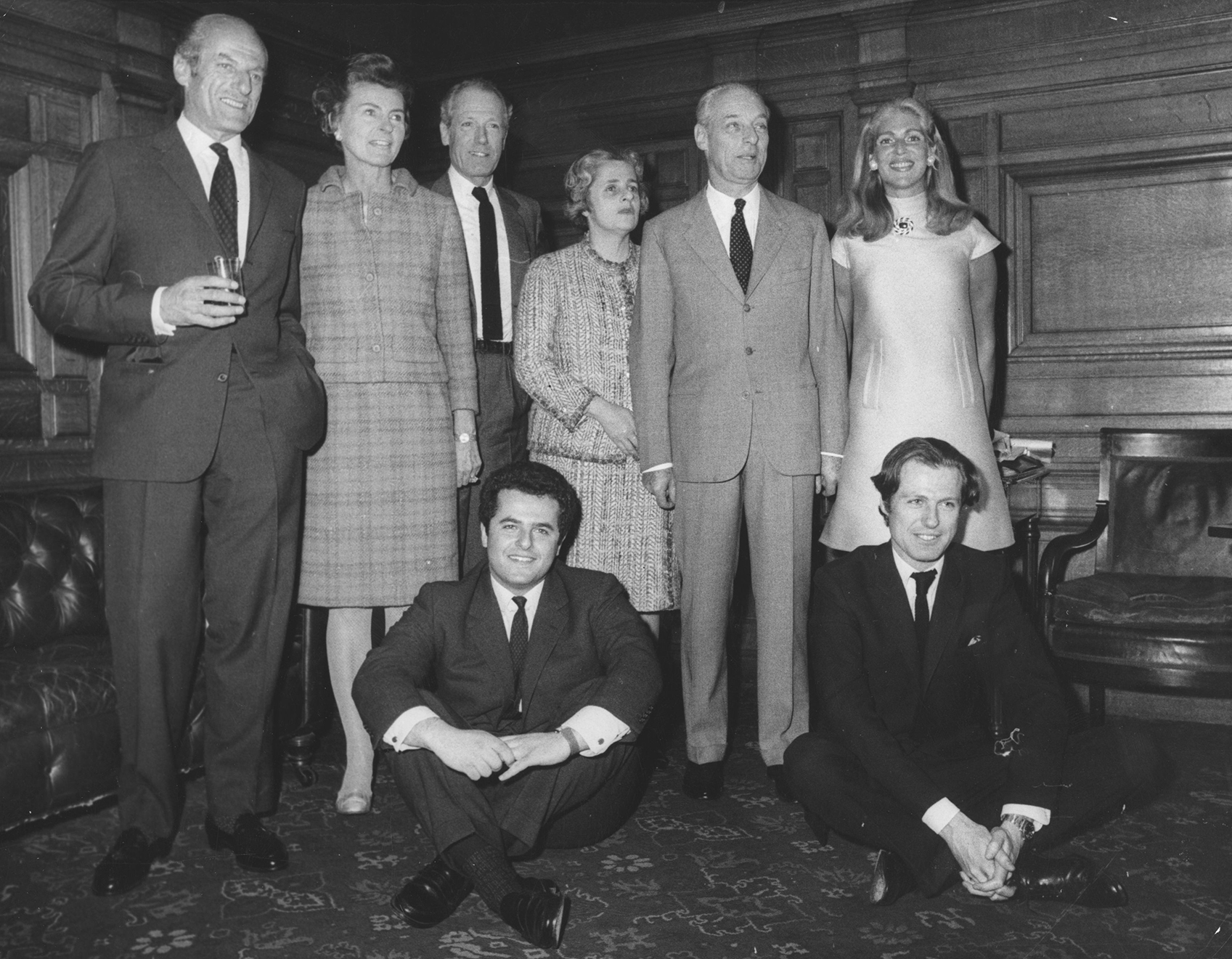
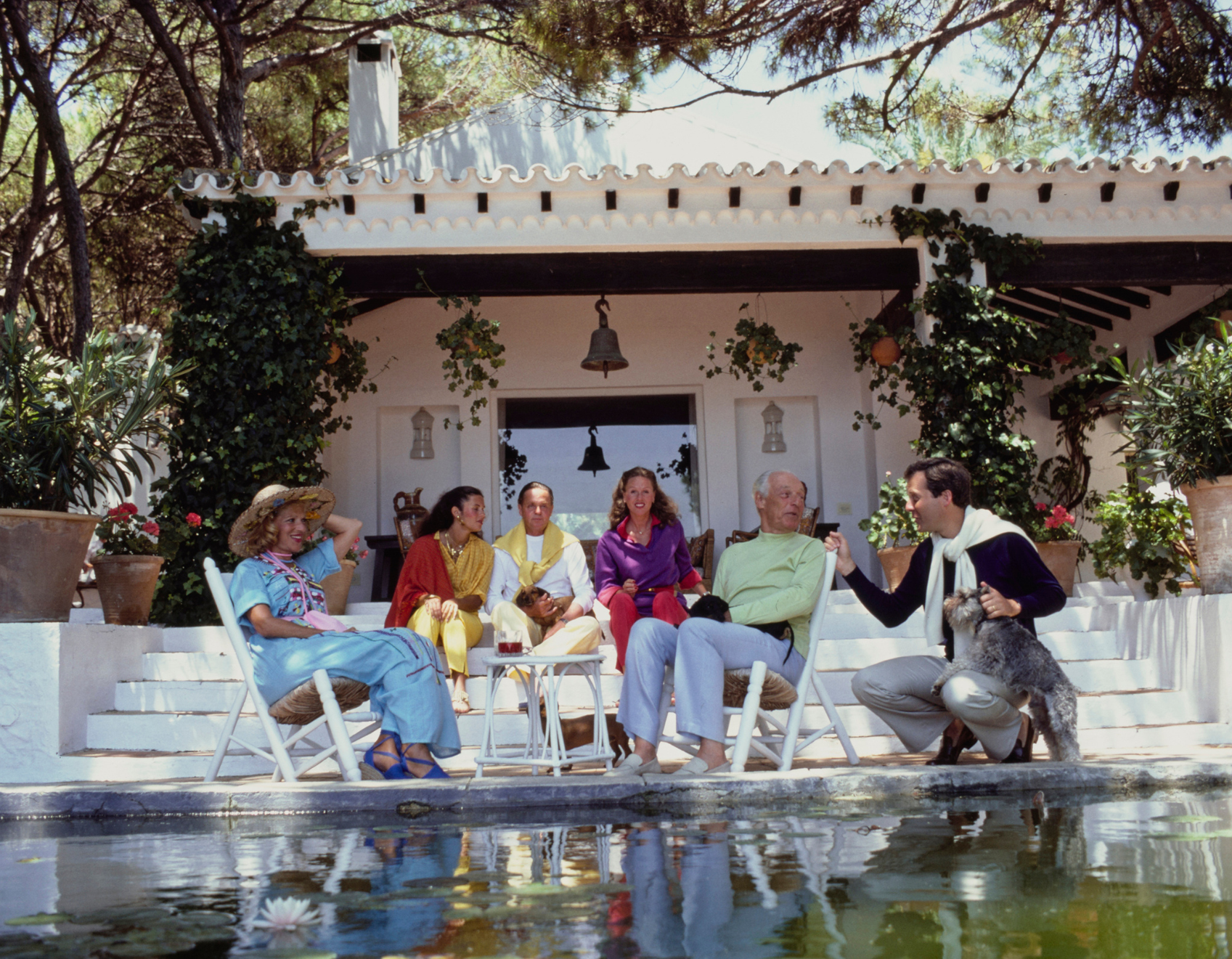
To all this, Guy brought formidable financial acumen but also a somewhat louche, not to say rakish, spin, mixing the mergers and acquisitions with the building-up of his father’s horse-breeding and racing interests — resulting in 40 major wins for the stable, including, on one occasion, the French Derby — and the throwing of lavish costume balls at Château de Ferrières, the palatial Rothschild estate east of Paris. His piquant mix of probity and levity was expressed in aperçus such as, “He who matters does not care; he who cares does not matter” and, “Never ask for an honour, never refuse an honour, and never wear it if you get it”.
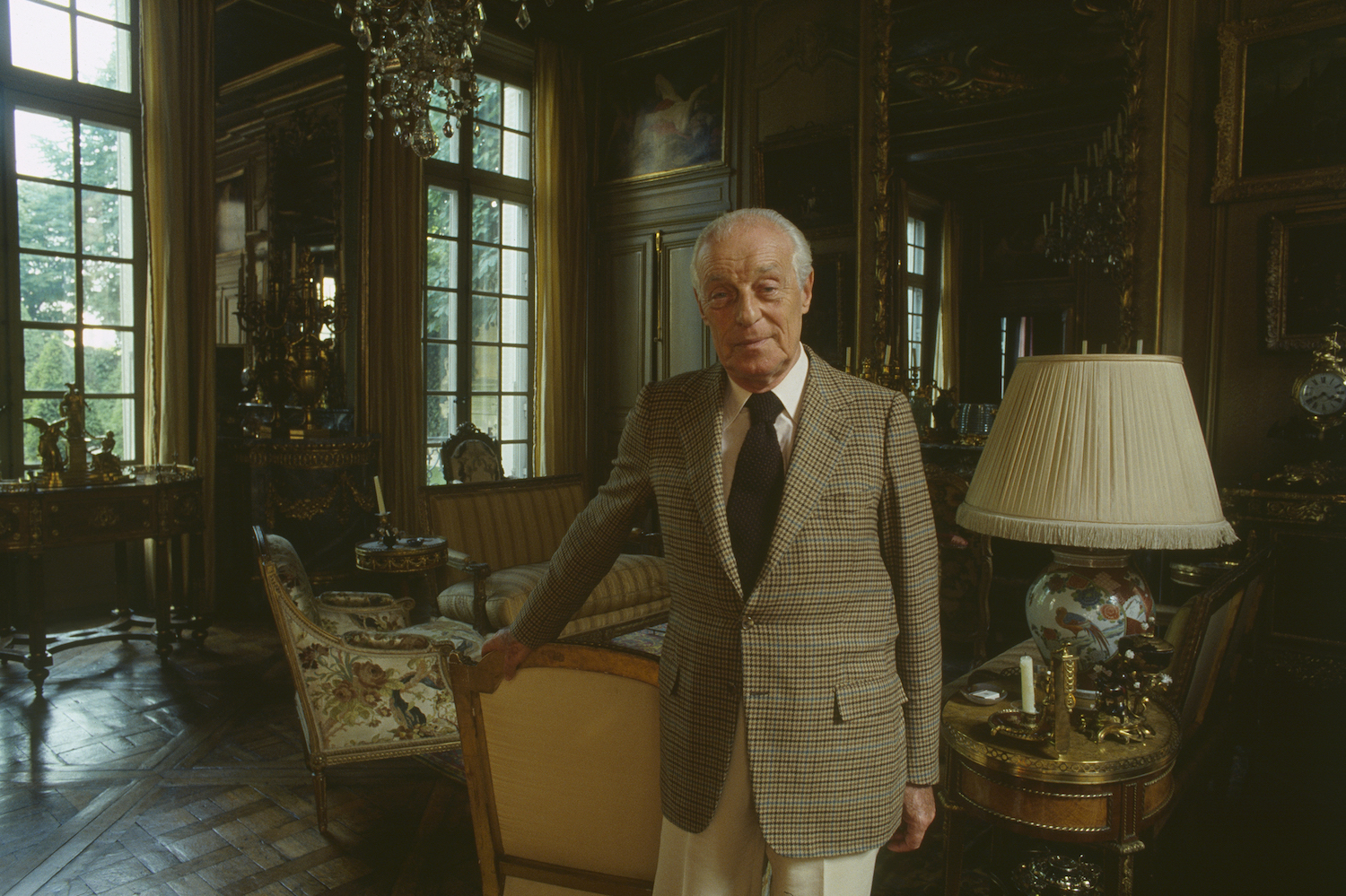
He was born in 1909, at the zenith of the Rothschilds’ imperial phase. His parents’ hotel in Paris, at the corner of Rue de Rivoli and the Place de la Concorde, had once been inhabited by Talleyrand, and would later become the American consulate. But he was raised at Château de Ferrières, designed by Joseph Paxton, the architect of the Crystal Palace, as a “sleeping castle” in a dark forest, replete with a subterranean labyrinth of tunnels.
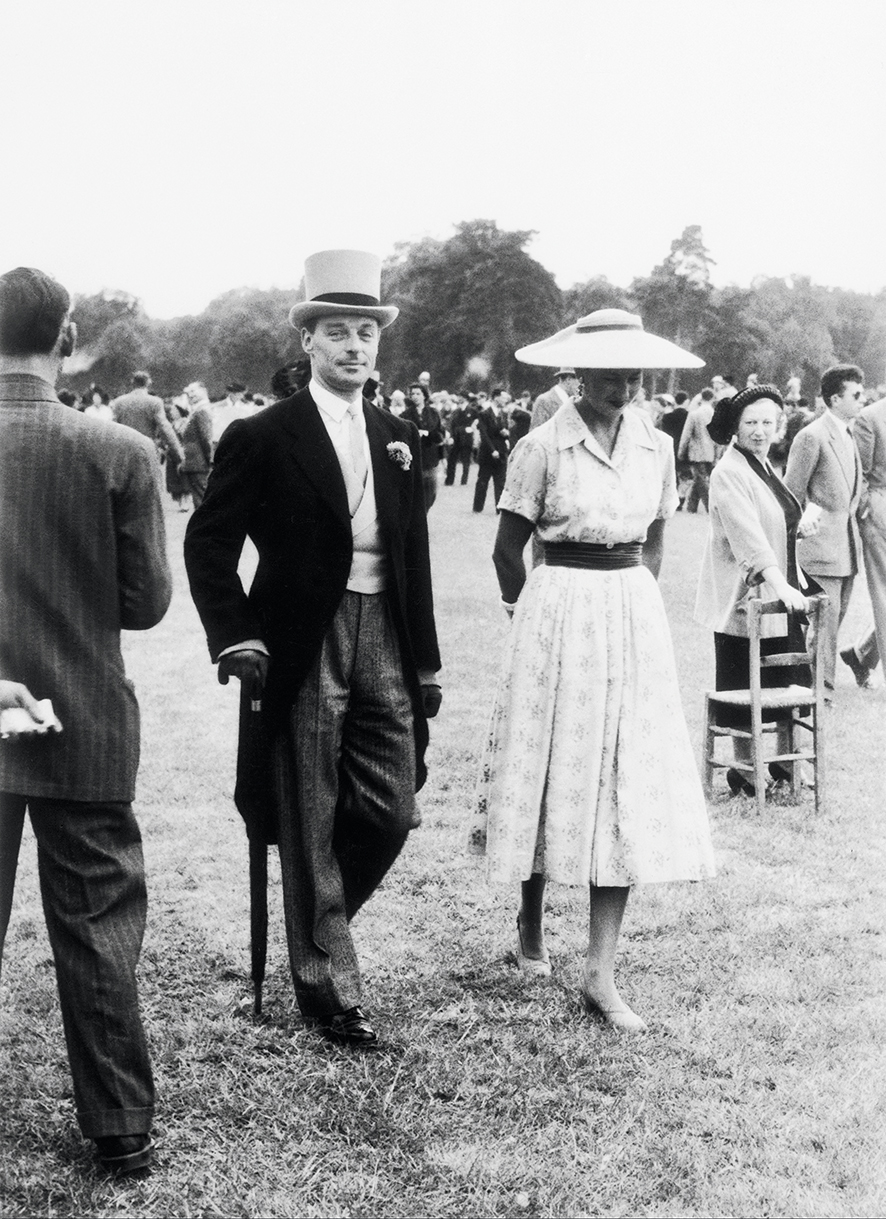
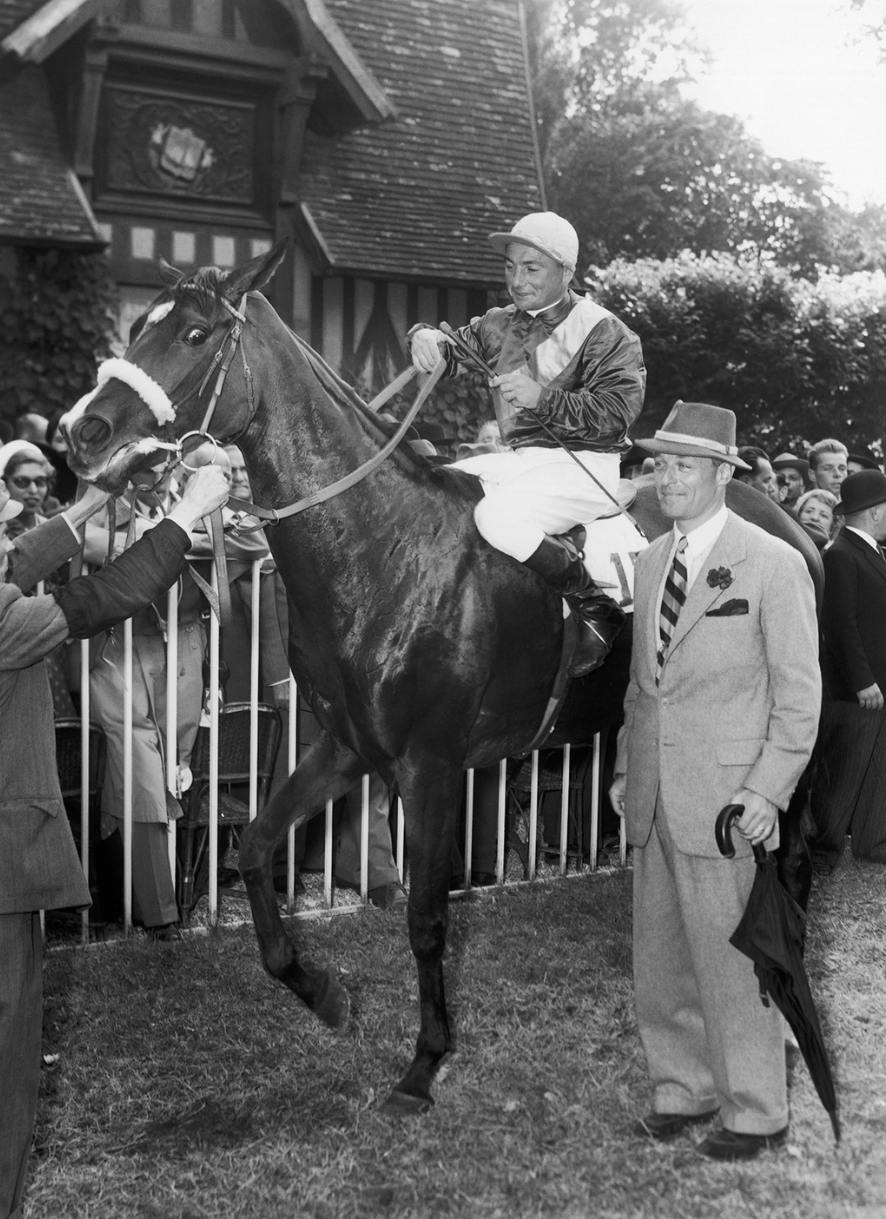
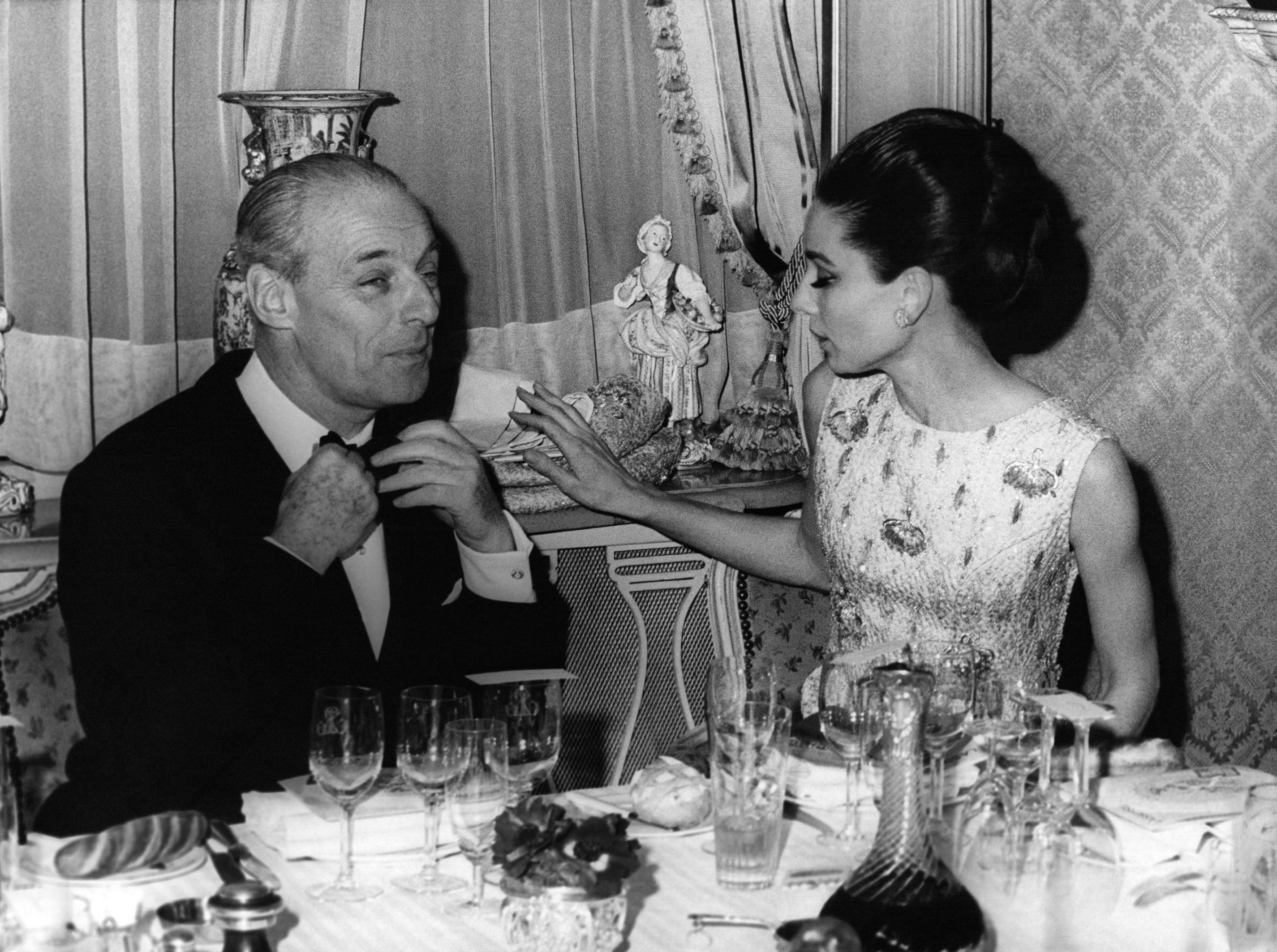
In 1931 Guy started work at de Rothschild Frères, at 19 Rue Laffitte; within two years he was appointed to the executive committee of the family’s Compagnie du Chemin de Fer du Nord. He brought vision and élan to what seemed to some like a fusty institution that resembled the Fidelity Fiduciary Bank in Mary Poppins (Guy’s father, Édouard de Rothschild, presided over the annual shareholders’ meetings in a 19th-century-style frock coat). “Making money doesn’t oblige people to forfeit their honour or their conscience,” he declared, but his conviction that private wealth needed to be spread for the public good — to say nothing of the family motto, ‘Concordia, Integritas, Industria’ — was severely tested by the election of the Popular Front in 1936, with its self-declared war on the Two Hundred Families who dominated France, the Rothschilds foremost among them, along with the rising antisemitism spearheaded by the Nazis as they storm- troopered their way to power in neighbouring Germany.
Called up as a young cavalry officer in 1939, Guy won a Croix de Guerre in northern France before joining the British retreat from Dunkirk.
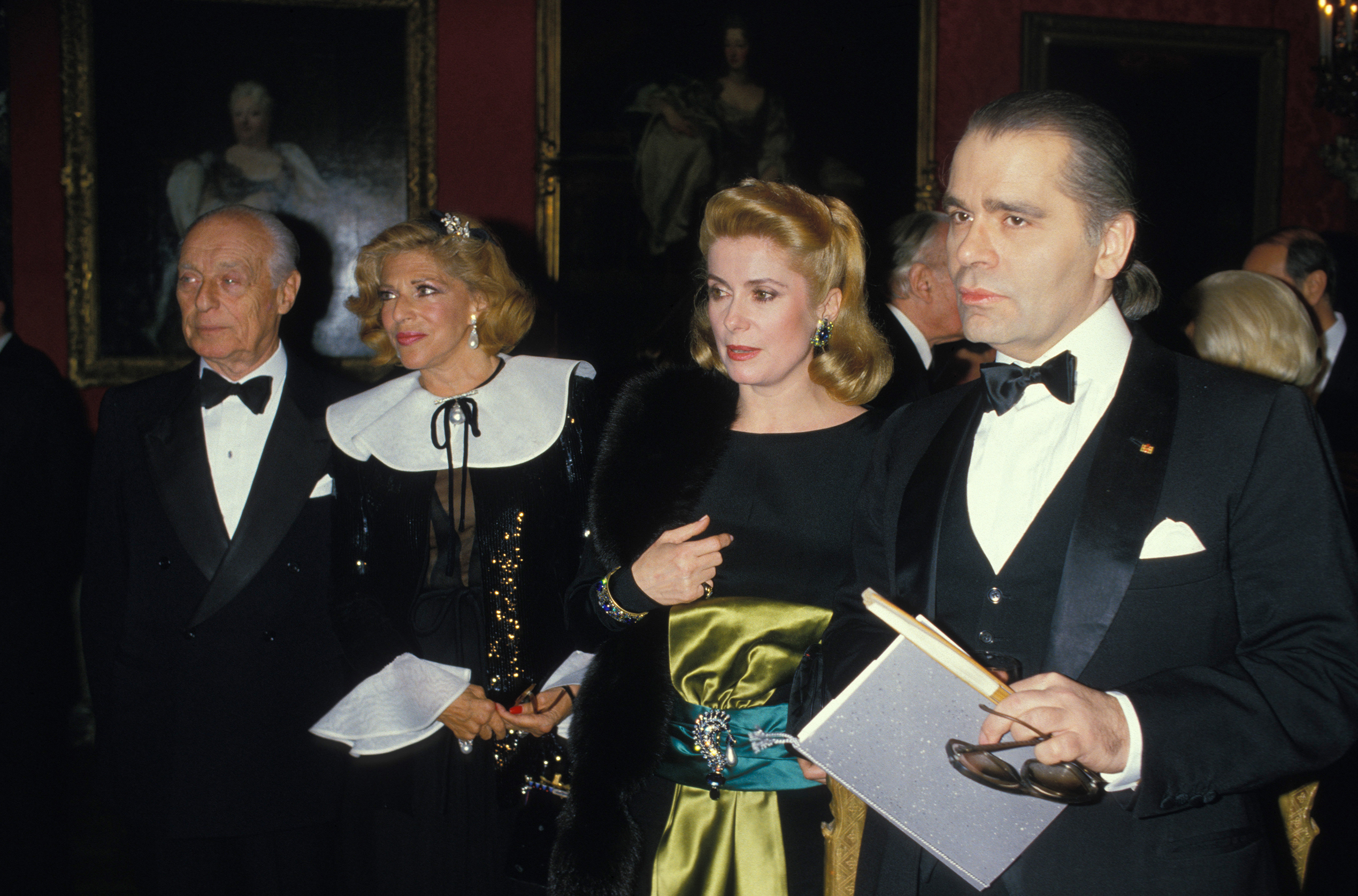
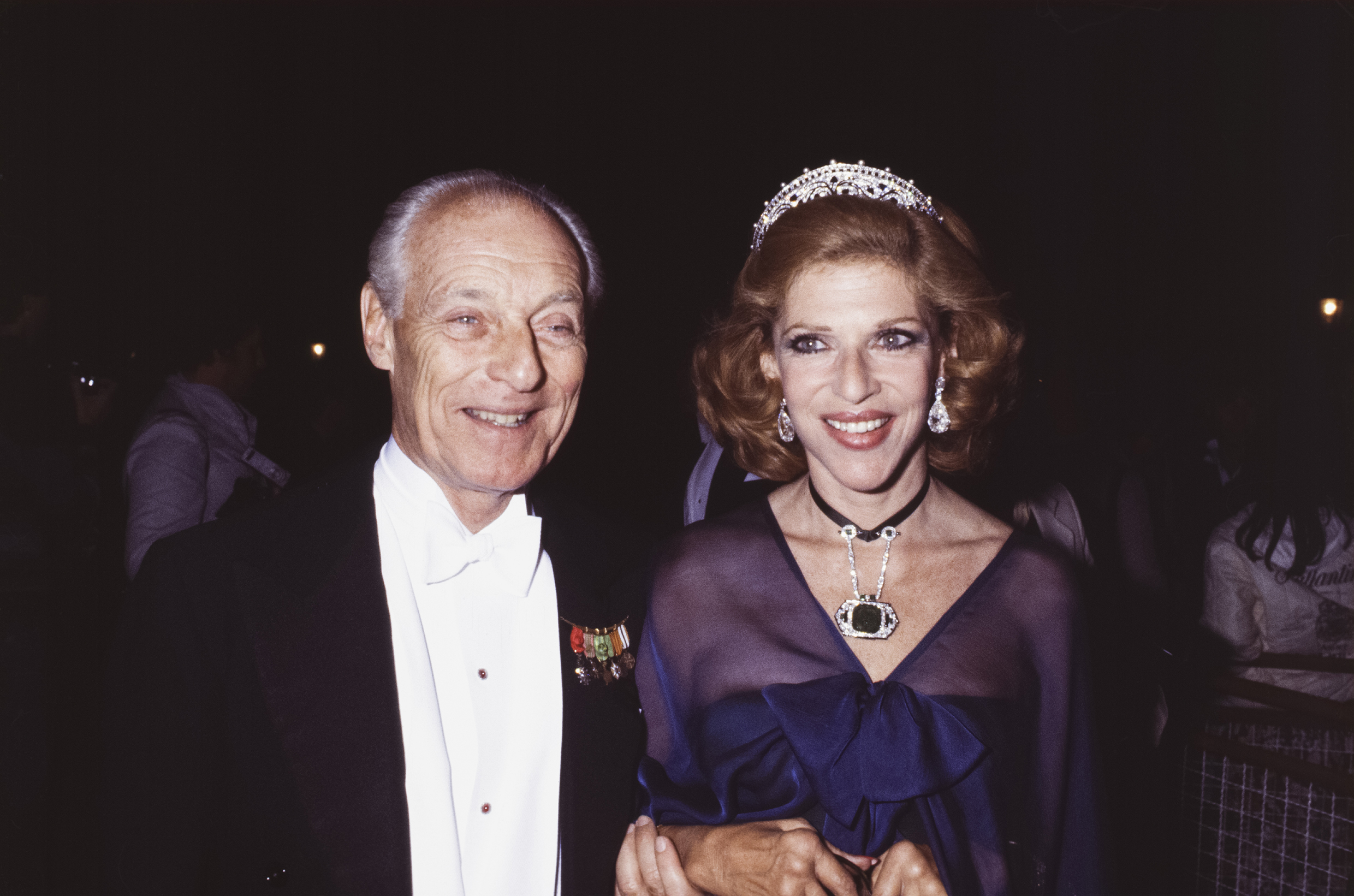
But it was his marriage in 1957 to Marie-Hélène van Zuylen van Nyevelt de Haar, an American-educated Dutch noblewoman, that catapulted Guy to the head of the Parisian social scene.